

November 9th, 2025
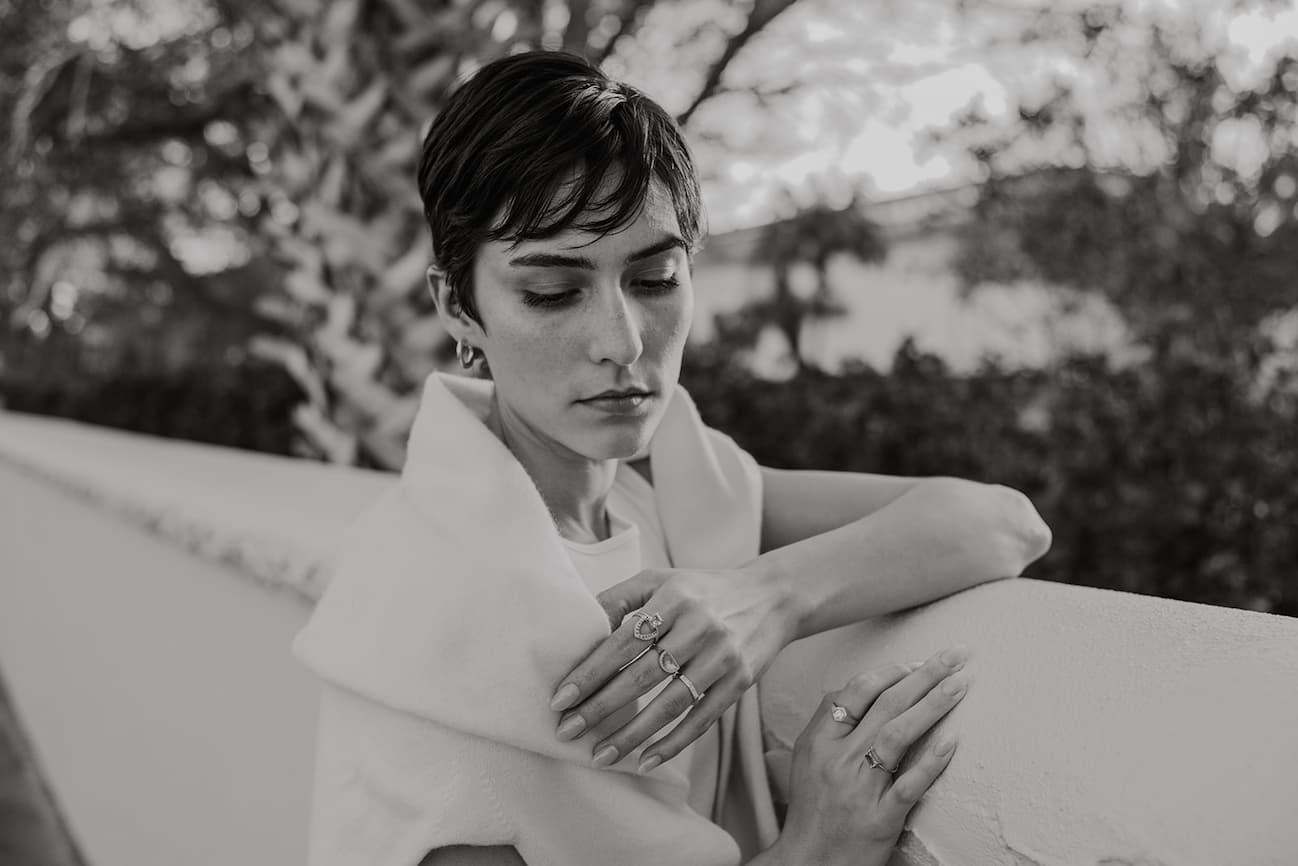
Photo: Jenn Hall Sweatte
WELCOME TO ISSUE 36 OF
THE [PALM] SUNDAY TIMES
Palm Sunday jewelry could be a lot less expensive... In this issue, I'll explain why it's not.
I could be running a Black Friday sale this year... In this issue, I'll explain why I'm not.
So pour yourself a cup of tea and get comfy.
"It's not expensive, it's costly. Costly is the actual price of making an object properly with the required level of attention so that you have an object of quality. Expensive is a product which is not delivering what it's supposed to deliver, but you've paid quite a large amount of money for it, and then it betrays you."
-Pierre-Alexis Dumas, Hermès' Artistic Director
PRICING A COLLECTION
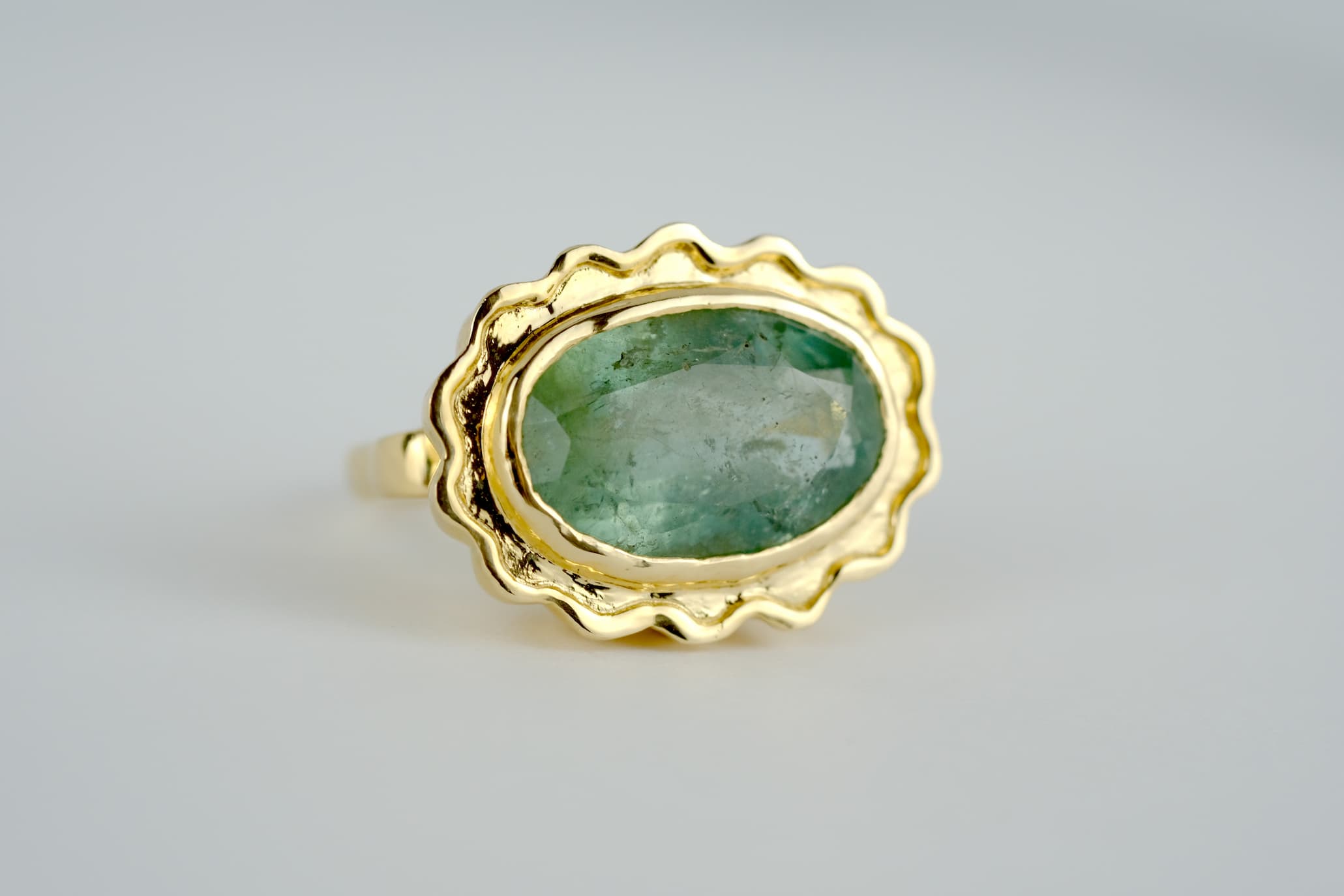
IT'S MORE THAN JUST NUMBERS
I used to absolutely dread pricing my work. I would put it off until the very last possible moment because a) I wasn't sure I was "doing it right", b) I hated the feeling of assigning a monetary value to something emotional, and c) I felt very uncomfortable with how high the numbers got when I accounted for everything accurately.
I have come around to pricing these days (mostly thanks to a handy spreadsheet) but also because after 5-6 years of doing this full-time, I have been shown time and time again that there is real, true meaning behind the price of something. I don't scoff when I see the price tag on the gems I purchase because I know how much work goes into mining that rough from the earth and I want to make sure the miner and the cutter and the dealer all get paid a fair wage so that they can go to their jobs feeling joy instead of resentment. I want to know that their families and communities are better off because of their work and my purchase. If I saw a price tag that I felt was too low, today, instead of feeling like I was scoring a deal, I'd think... who isn't getting paid?
So why shouldn't I assign that thought process to my own work? Why does it make me feel so scared to say a big number out loud at a market? If the customer asking the price can't afford it, I can sympathize with them (because I can't either, to be fair), but that doesn't mean the work shouldn't be made the way it is for the price that it is. So let's dive into why it's made the way it is.
MAKING AN OBJECT PROPERLY
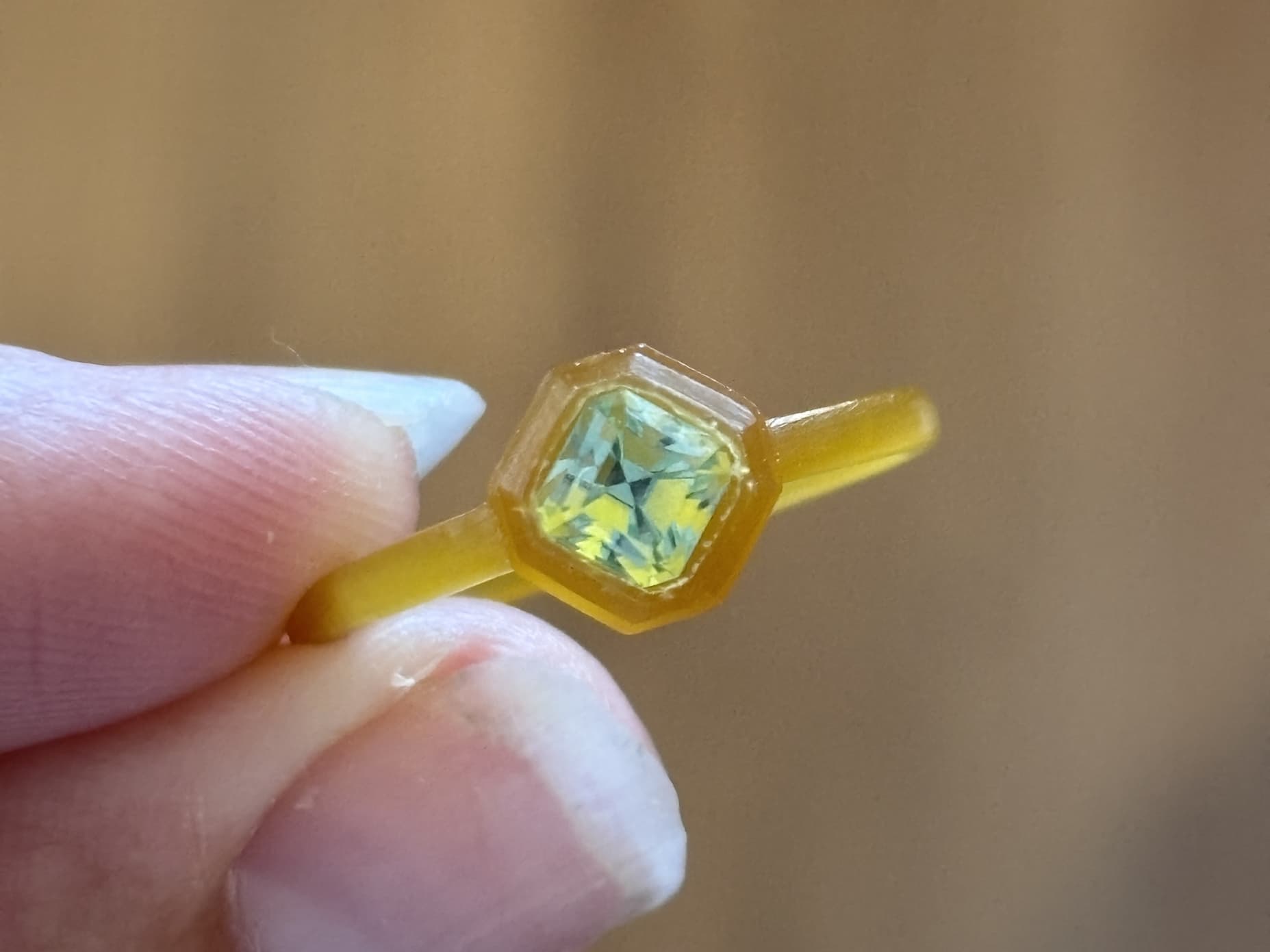
SO THAT YOU HAVE AN OBJECT OF QUALITY
How something is made can determine its quality, rarity, and energy. I make everything by hand in the sense that every wax originally sat on my bench as a hunk until I whittled it down to its eventual shape, being guided by the stone or a sketch or an emotion. Nothing is done on computer as I need to work through the shape in three dimensions, taking many hours and days with a piece until it "feels right." I believe that working this way (or fabricating from metal sheet and wire) gives Palm Sunday pieces an energy that is more powerful than a piece that was popped out of a mold or 3D printed and was one of hundreds. That also gives each piece a rarity that contributes to its value over time.
Taking this amount of time with a piece also ensures that the stone fits correctly, both structurally and aesthetically. Not being in an assembly line allows me to take in the whole piece and work on it from start to finish and make sure that everything "fits." I do this to honor the stone and the time it took for the earth to form it, the miner to find it, and the cutter to finesse it.
In addition to the making process, materials and skill-building are two other investments I make to provide quality. I've learned over time to choose better stones and have become Fairmined Certified to work with better gold. Choosing better stones means choosing to work with dealers that provide as much information as possible about the location of the mine, the conditions the miners work under, the community response to the mine, and so on. Choosing better stones also means picking out the ones that feel unique, that are cut by artisanal cutters, and that have an interesting character. Taking classes to advance my craft means providing higher quality pieces and a more unique point-of-view. Making time to practice engraving every day and buying better tools means I can offer more intricate ways to personalize my work.
All of this in the hopes that when you receive your piece, you can feel the amount of time and thought and energy that went into it - all the way from the depths of the earth, to the mine, to the time spent at my bench.
So that's why it's made the way it is- now let's talk about why it's priced the way it is.
THE PRICE IS THE PRICE
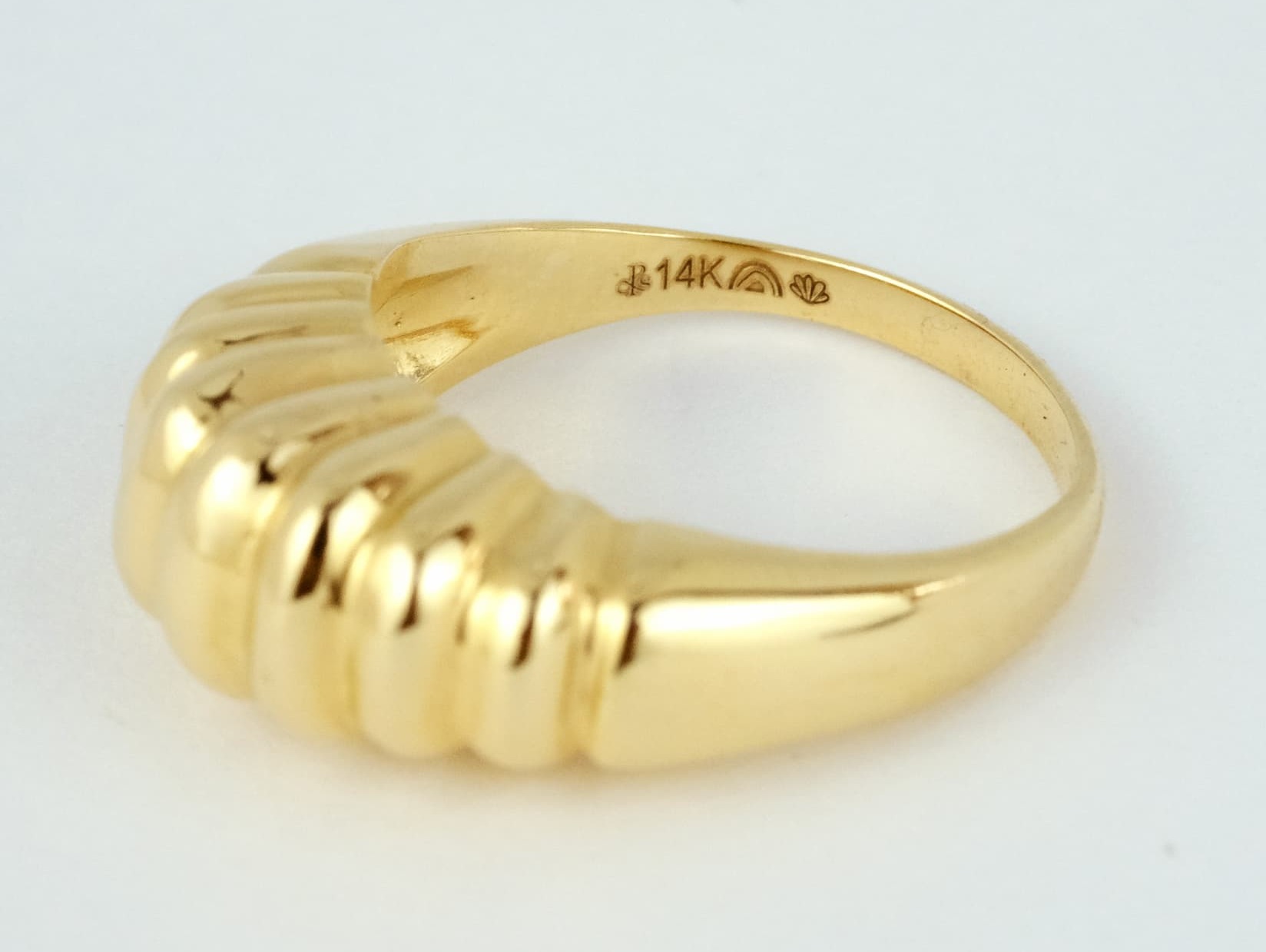
I belong to a jeweler's community called the Stay Gold Collective that meets via Zoom at least once weekly. Recently we have been discussing pricing our work this holiday season and there is a lot of anxiety in these chats as the price of gold continues to sky rocket and the uncertainty of tariffs looms over our heads. We are all trying to make a living doing what we love, but a large part of our business is out of our hands.
Something that Liz, the group's organizer, says repeatedly is "the price is the price." It literally just is what it is. We shouldn't be taking money out of our own paychecks because we don't feel worthy of a certain number because of our own money-mindsets. I still need to work on this myself, but I'm starting to feel less queasy about saying certain numbers out loud at shows or markets. Because deep down I know how much work goes into each piece and I'm starting to respect my craft enough to feel like I deserve to get paid for it. That's also why I'm not holding a Black Friday sale this year. Instead I want to take that earned profit and put it towards causes that I want to contribute to. And that might be my own bank account!
Please keep that in mind when shopping for gifts this year. Shopping small has never been more important. Oftentimes small biz owners are not only making the goods, they are also photographing, pricing, listing, and marketing those goods. On top of that, they also have to pay themselves (or someone else) to take care of customer service, website development, taxes, bookkeeping, copywriting, packing, shipping, and so much more! If they are not holding a sale it's not because they don't want to give their customers a break, it's likely because they are already feeling pinched, don't feel that a discount is the best way to entice a sale, or just straight up don't want to discount their work. But because I know many of you are angels on earth, I don't necessarily need to state all that.
ONE LAST THOUGHT
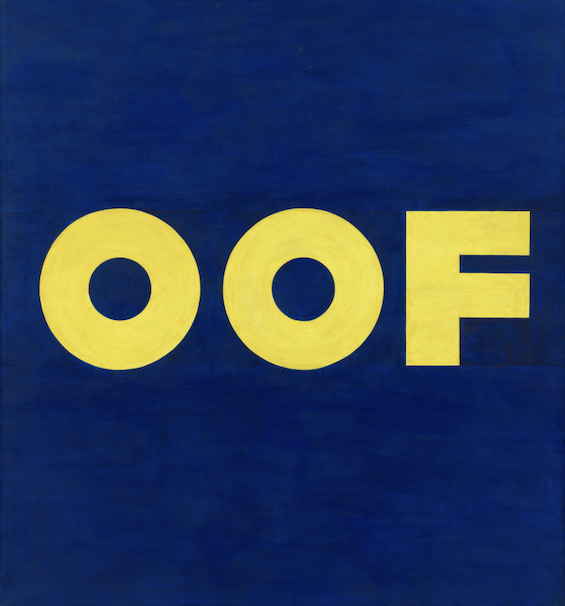
Something that made me chuckle this week was listening to Edward Ruscha on Rick Rubin's podcast talking about his life and work. He painted what he wanted to paint. Maybe that was just "OOF" on a canvas. He didn't talk himself out of it or tell himself that it wasn't worthy or any of the other imposter syndrome BS we artists often tell ourselves. He had the confidence to paint it and sell it. One of his paintings just sold last year for $68.3 million. Don't tell yourself that what you're making isn't good enough or that you're pricing it too high. When in doubt, think of Ed and OOF.
Til next week!
Thanks so much for following along,
Lauren